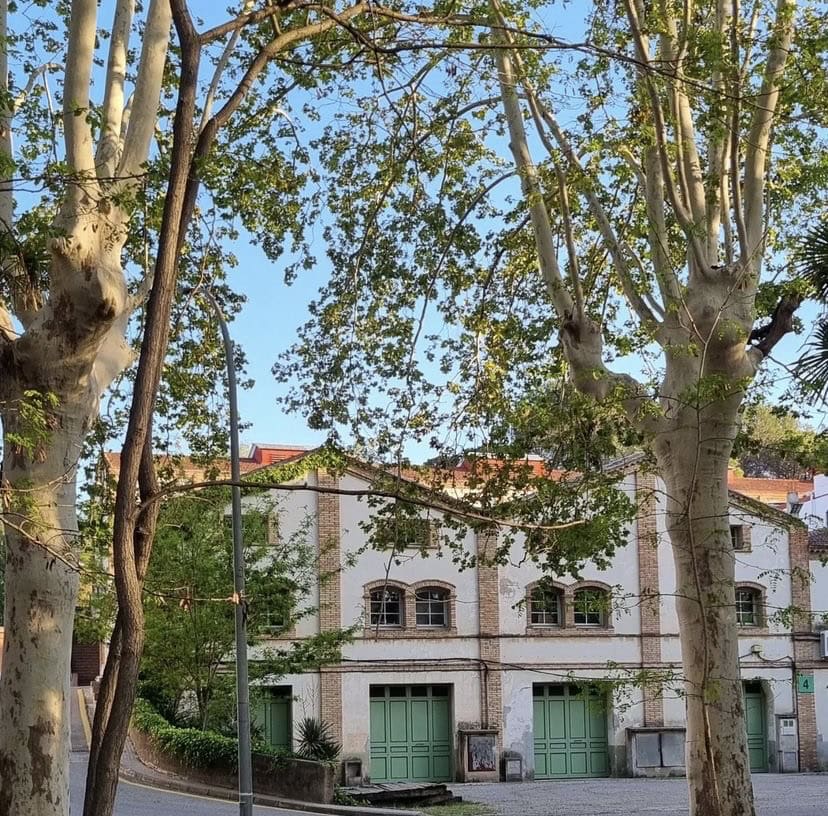
Today, Amaru Antiques occupies a place shaped by memory. Our workshop and warehouse are housed within the old Molí Nou complex, a former paper mill in Gelida. Working within these walls is a daily reminder that places, too, preserve stories—and that every object, like every building, is the result of time, labor, and knowledge passed down through generations. For this reason, we wish to share the history of this industrial enclave, not only as the physical setting of Amaru Antiques, but as a fundamental part of the spirit that shapes our understanding of antiques.
In the heart of the Alt Penedès, Gelida became, from the late 18th century onward, one of the most active centers of the Catalan paper industry. Molí Nou emerged during this period of expansion, when water power drove production and technical expertise was transmitted from one generation to the next. A decisive turning point came in 1791, when Fèlix Prat de Vilaclara i Quinquer requested authorization to build a paper mill in this strategic location, chosen for its proximity to the Anoia River. Official permission was granted on February 25, 1792, on the condition that construction be completed within a maximum of two years.
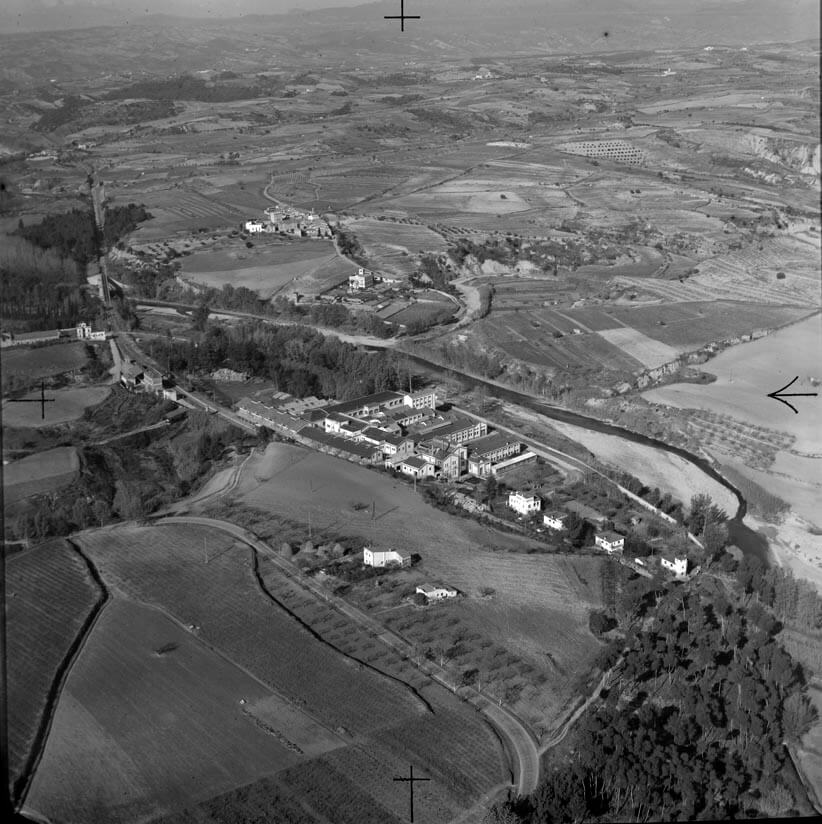
As was common at the time, the evolution of Molí Nou was closely tied to family networks within the industrial sector. After its founder, ownership and management passed successively to Miquel Elies, Joaquim Serra, and finally the Jover family. This continuity allowed the mill to remain active for more than a century, establishing it as a cornerstone of the region’s economic and social life. The main structure that survives today—built around 1900—stands as a testament to this period of industrial maturity.
In recent years, the complex has undergone a careful revitalization. Spaces once animated by the constant rhythm of paper production have been adapted for new uses, while preserving their original character and identity. Molí Nou thus continues to write its story, becoming a place where past and present coexist naturally.
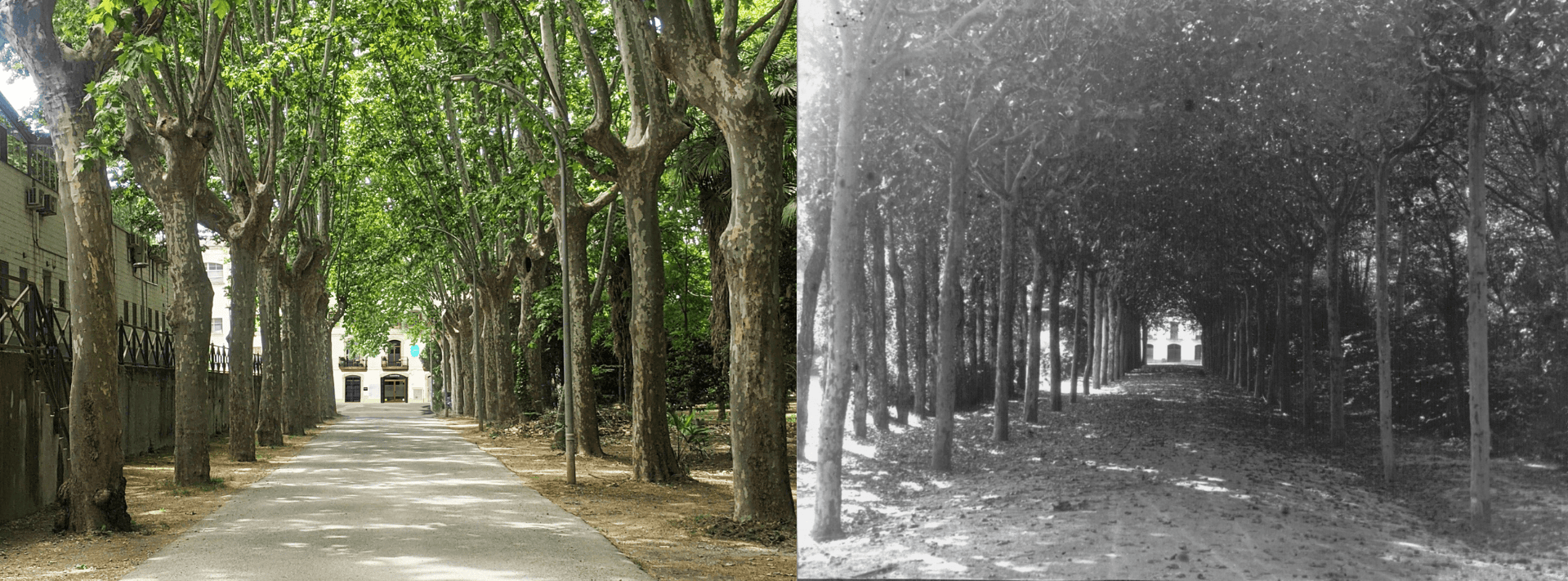
In this new chapter, initiatives such as Amaru Antiques y La Gelidense Coworking & Cocreating form part of a contemporary ecosystem that has reinterpreted the site with sensitivity and respect. Distinct yet complementary projects, they share a common goal: to care for the environment, preserve Molí Nou’s material heritage, and highlight its industrial legacy through innovative proposals connected to creativity, culture, and new ways of working and inhabiting space.
Visiting this industrial estate in Gelida is, in essence, a journey into a key chapter of local history. Beyond its present-day function, the site invites reflection on the region’s industrial heritage and evokes the activity that, for generations, shaped this corner of the Penedès. It stands as a physical testament to the transformation of both landscape and community over time.