
Much of the antique furniture that has come down to us is made of pine wood. This is no coincidence. For generations, pine was one of the most widely used materials in traditional carpentry thanks to its abundance, its ease of workability and its resistance to the passage of time when properly cared for. Knowing if a piece of furniture is made of pine not only satisfies curiosity, but also helps to better understand its origin, use and value.
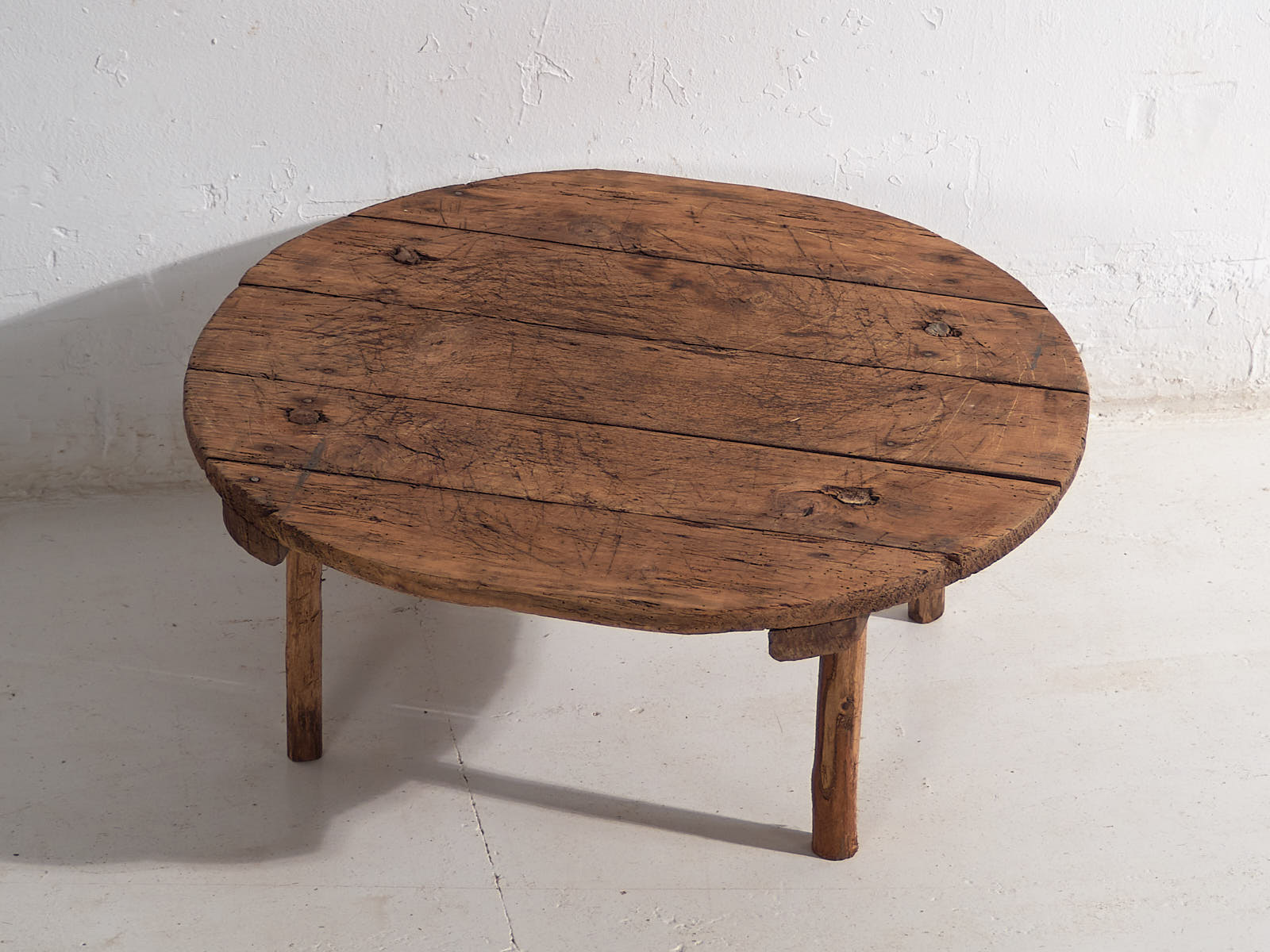
One of the first clues is usually in the color. Pine wood, when freshly worked, has light tones ranging from yellowish white to a soft honey color. Over the years, light and daily use do their work, and that light surface gradually transforms into a warm and very characteristic golden or amber patina. This color evolution is one of the most recognizable hallmarks of pine in antique furniture.
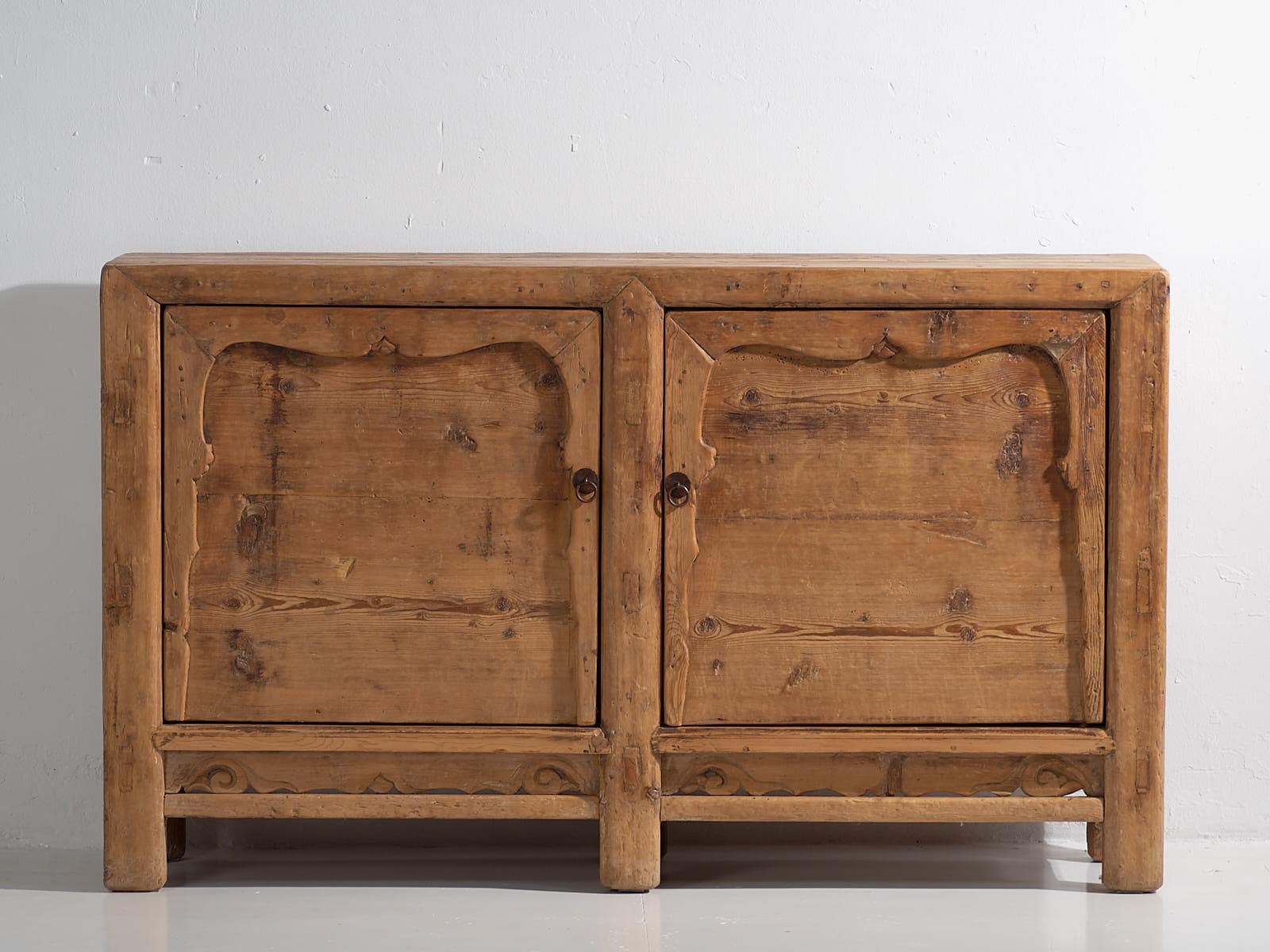
When looking closely at the surface, the veins also provide valuable information. Pine usually shows a marked and fairly straight grain, with visible contrasts between lighter and darker areas. Alongside these grains, it is common to find rounded knots, sometimes darker, which are a natural part of the wood. Far from being a defect, these knots add personality and authenticity to the piece, and are a clear sign that it is pine.
Weight and feel can also help to identify it. Pine is a soft wood compared to other woods such as oak or walnut, so pine furniture is often lighter than it appears. When handled, it has a less dense feel, which is especially noticeable when compared to similar sized furniture made of harder woods.
In some cases, even the smell can give a clue. If a less visible area is accessed, such as the inside of a drawer or the back of the cabinet, and the wood is poorly treated, it can give off a fresh, resinous scent that is very characteristic of pine. It is true that over the years this smell diminishes, but sometimes it is still perceived in a subtle way.
The finish of the furniture also tells its own story. Traditionally, many pine furniture pieces were painted or varnished to protect this softer wood from everyday use. On rustic pieces it is common to find layers of weathered paint, while on more carefully cared-for furniture, varnish was applied to highlight the natural grain and provide greater durability.
Identifying pine wood in an antique piece of furniture is, at its core, an exercise in observation and sensitivity. The aged color, the marked grains, the visible knots and the lightness are signs that, together, tell a story. Recognizing the material from which a piece is made is a way to get closer to its past and to value the craftsmanship of another era, understanding that each piece of furniture has its own character and its own memory.