
When we choose a piece of furniture, we do not only think about its form or function. It is often a more emotional decision than we think. There are pieces that attract us immediately, that make us imagine how they would look at home, how they would transform the space or what sensation they would give us when we live with them every day. In this process, color plays a fundamental role. It not only defines the aesthetics of a piece of furniture, but also the atmosphere and the emotion it conveys.
The psychology of color helps us understand why certain tones are welcoming, relaxing or stimulating. In the case of antique furniture, color takes on even more value, because it is not just a decorative choice, but part of its history. The patina of time, wood, fabrics and finishes give each color a unique depth and personality.
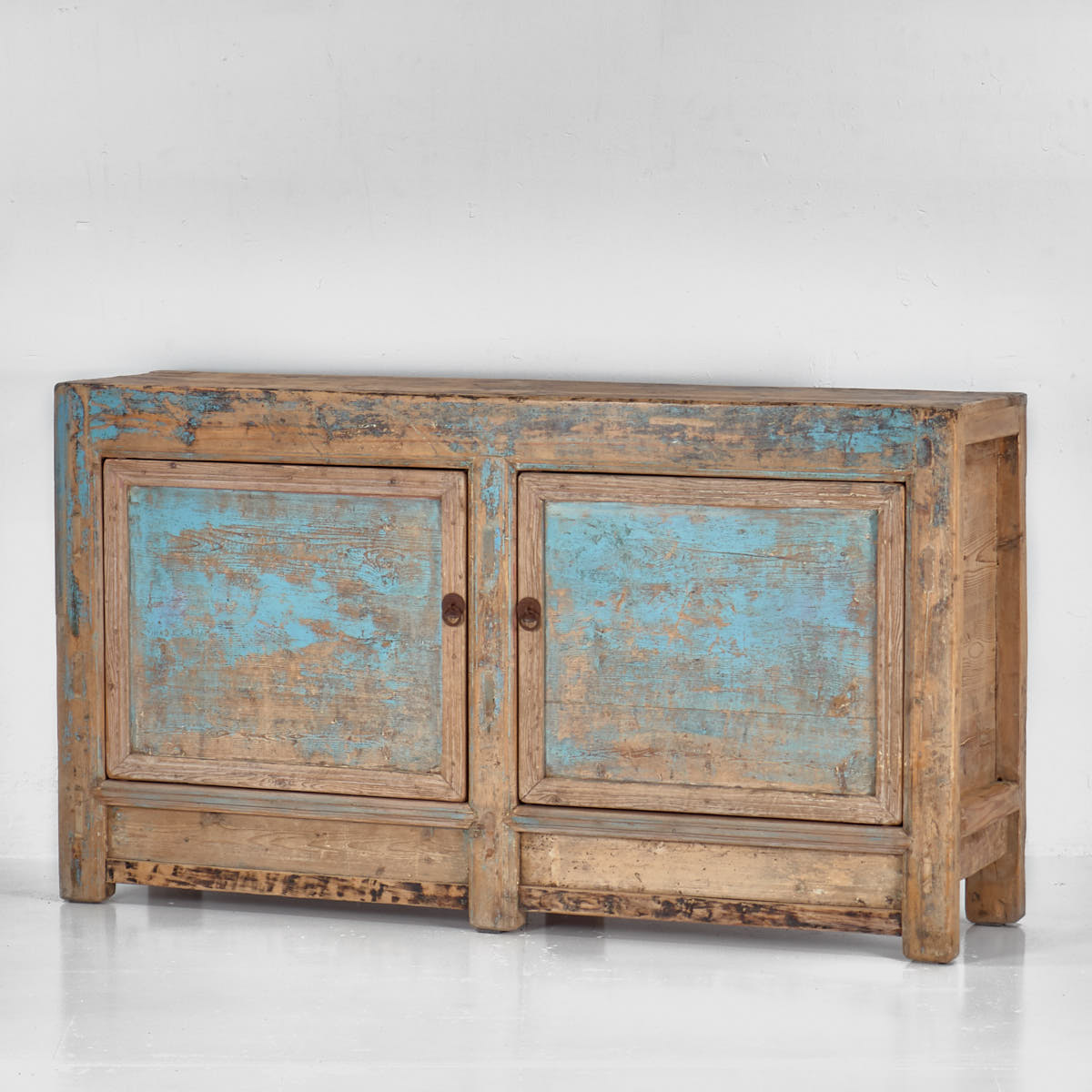
Blue, for example, is a color that invites calm. It conveys serenity, order and a sense of pause, so necessary in today’s rhythm. A blue piece of furniture, such as an antique sideboard or an armchair, fits especially well in spaces designed for rest, such as bedrooms or reading corners. In antique pieces, this color tends to soften over the years and combines naturally with warm woods, creating balanced and cozy environments.
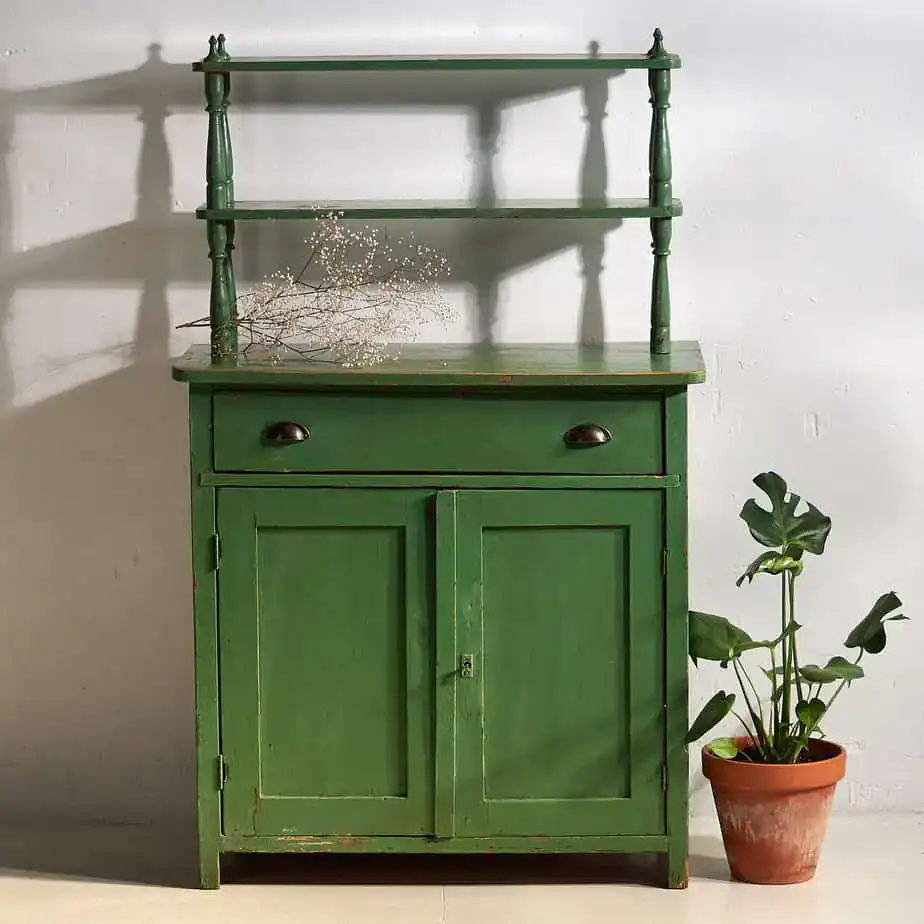
Green, on the other hand, connects us with nature and with a very comforting sense of harmony. It is a color that brings freshness and balance without being invasive. A green chest of drawers or a green cabinet can bring life to a room and make the space feel more organic and serene. It is a color that is easy to integrate and very pleasing to the eye, ideal for those looking for a home that conveys calm and well-being.
Yellow is light, optimism and vitality. An antique piece of furniture in this color has the ability to brighten a room and fill it with positive energy. It works especially well in spaces where time is shared, such as the dining room or kitchen, as it creates warm and welcoming environments. Used in moderation, yellow brings character and cheerfulness without saturating the space.

Red and orange tones are intense, warm and full of personality. Red conveys passion and strength, while orange is associated with creativity and sociability. An armchair or a cabinet in these colors inevitably becomes the center of attention, that piece that gives character to the whole room. They are ideal for those looking for a focal point with presence, always balancing them with other more neutral elements to maintain harmony.

Neutral colors, such as white, black, gray and natural wood tones, are the basis of many interiors. White brings brightness and spaciousness, making spaces appear more open. Black, used with balance, conveys elegance and sophistication. Gray offers serenity and acts as a perfect background to highlight other pieces. And natural wood, in its brown tones, is synonymous with stability and warmth. It is the color that best represents the feeling of home, solidity and connection with authenticity.
The color of a piece of furniture goes far beyond the visual. It is a tool to define the character of a room and the way we want to feel in it. Calmer, more active, more comfortable. Choosing consciously allows us to create spaces that are not only beautiful, but also convey emotions and tell stories.
The next time you look at a piece of furniture, don’t just think about whether you like its shape or style. Ask yourself what it feels like and whether you can imagine living with it. Because when a piece of furniture really fits, it doesn’t just decorate a space: it transforms it into a lived-in, personal place.