
In the world of antiques, wood is never just a material. It is structure, character, and memory. Each grain, each variation in tone, each trace left by time speaks quietly of a piece’s origin and its life. Yet identifying the exact type of wood in an antique piece of furniture is rarely straightforward. Age, surface treatments, restorations, and decades of daily use often blur distinctions, making different woods resemble one another—even to trained and experienced eyes.
One of the first ways to approach wood identification is through its hardness, a quality that directly influenced how a material was traditionally used. Softer woods, often from fast-growing trees such as conifers, were easy to work and relatively light. For this reason, they were widely employed in vernacular furniture, structural elements, and rural or utilitarian pieces. Over time, these woods tend to accumulate dents, marks, and a visibly active patina—signs of use that become an essential part of their history rather than a flaw.
Between softwoods and the hardest species lies a broad and nuanced middle ground. Semi-hard woods offered an ideal balance between strength and workability, making them especially versatile. They were used not only in furniture but also in decorative elements and flooring. As they age, their appearance can change significantly, sometimes darkening or tightening in grain, which can make them difficult to distinguish from harder woods at first glance.
Hardwoods, sourced from slow-growing trees, have traditionally been the most valued in fine furniture making. Dense, durable, and designed to endure, these woods were chosen for pieces intended to last generations. Their weight, pronounced grain, and the depth of their patina give many surviving examples a remarkable presence today. Even so, varnishes, stains, and later interventions can obscure their original characteristics, complicating identification.
In Spain, the woodworking tradition has produced a rich and varied material heritage. Oak was widely used for robust, rural furniture, particularly in inland regions. Beech, lighter and more flexible, allowed for the creation of curved chairs and forms that balanced function and elegance. Chestnut, strong and resistant, was common in popular furniture and architectural structures. Walnut, with its darker tone and refined grain, was reserved for more sophisticated and valuable pieces. Pine, abundant and adaptable, became the most widespread wood of all, especially in furniture that was later painted or finished to imitate other species.
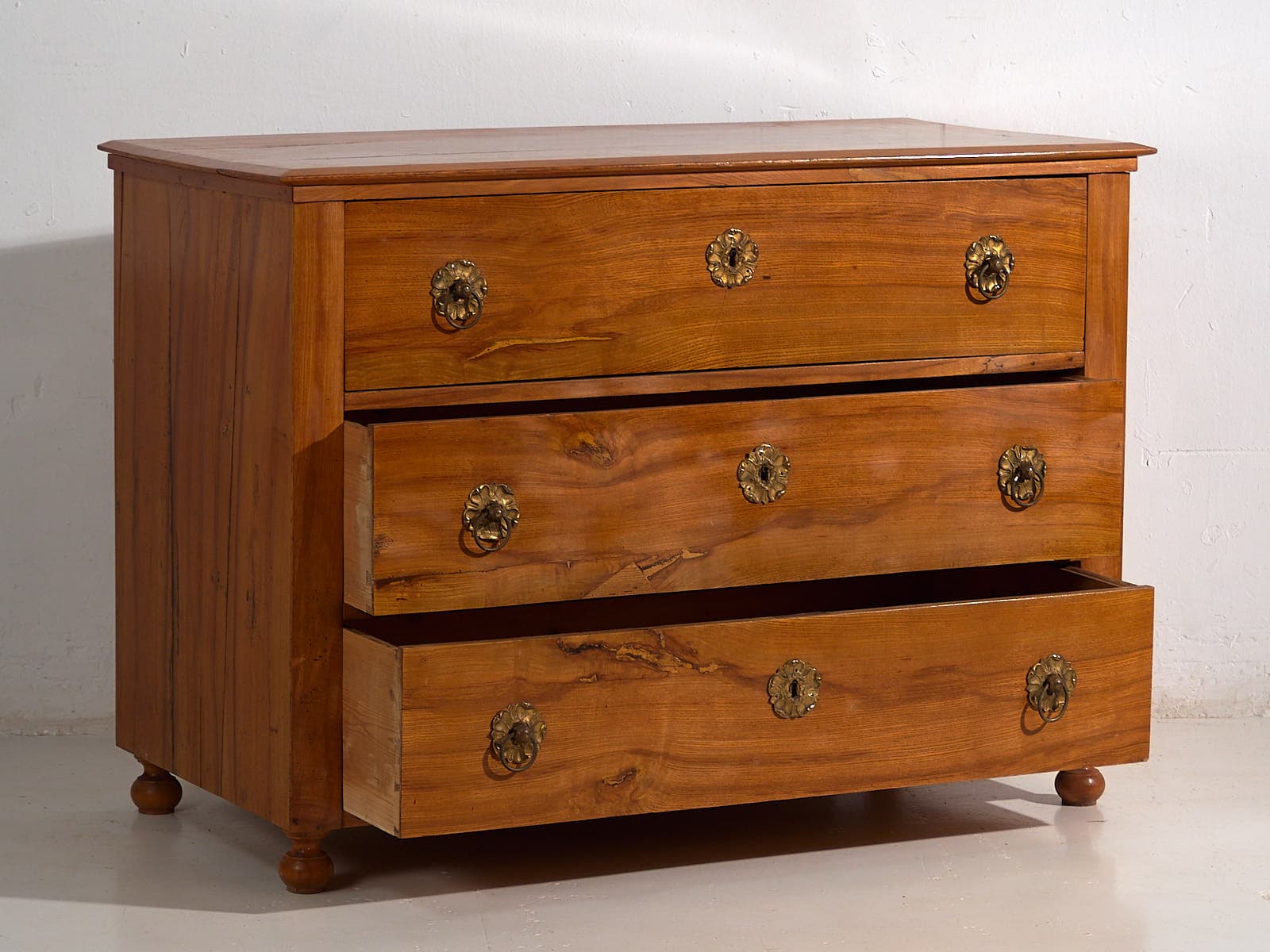
The true challenge lies in the fact that many antique pieces combine several types of wood within the same structure. It was common practice to reserve more precious woods for visible surfaces, while using more ordinary species for secondary elements such as drawer sides, backs, or bottoms. Over time, treatments and environmental conditions can further alter color and texture, causing light woods to darken or grain patterns to soften and recede.
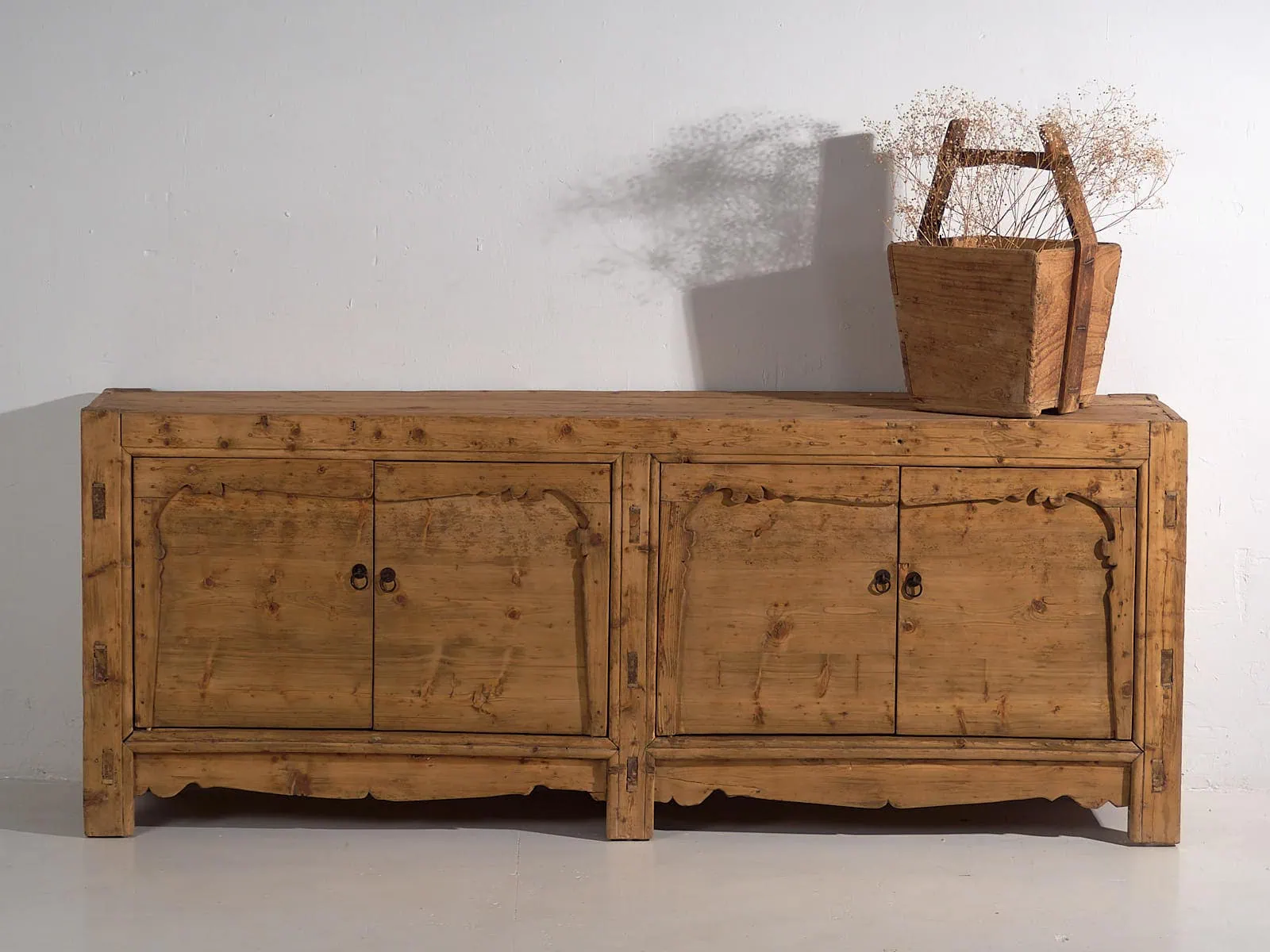
For this reason, identifying wood in antique furniture is not merely a technical exercise. It is an act of observation, experience, and sensitivity. Beyond assigning a precise name to a material, understanding its nature allows us to appreciate the intentions behind a piece and the context in which it was made.
Recognizing wood is, ultimately, a way of reading furniture—of understanding why a certain material was chosen and how it has aged alongside human use. Even when a definitive answer remains elusive, this process of discovery is part of the quiet beauty of antiques and of the connection we form with objects that have endured through time.