
When I started the adventure of looking for antique furniture in the Asian continent in 2015, the big question of the name of our antique store that I wanted to give it arose. From these days of reflection came the name AMARU. I was looking for a name that would connect my identity with history and connection to ancient cultures.
In some modern sources with no real historical basis, they wanted to associate the AMARU as the ancestral representation in the Inca tradition of the Scorpio constellation, which is precisely my horoscope. Suddenly, my interest to learn more about this mythological figure arose.
The name Amaru is much more than a word. It carries a deep meaning that connects with ancient traditions, with nature and with a way of understanding time and memory. Its origin is found in Andean mythologies, where the Amaru occupies a prominent place as a symbol of strength, wisdom and transformation. Choosing this name is, in itself, a declaration of intent.
In the tradition of the Andean peoples, the Amaru is a mythological serpent of great power. It is not a common animal, but an extraordinary creature that combines features of different beings: head of a llama, body of a snake and wings of a condor. This union of terrestrial and celestial elements makes it a symbol that connects different worlds, representing the balance between earth, sky and everything that flows between them.
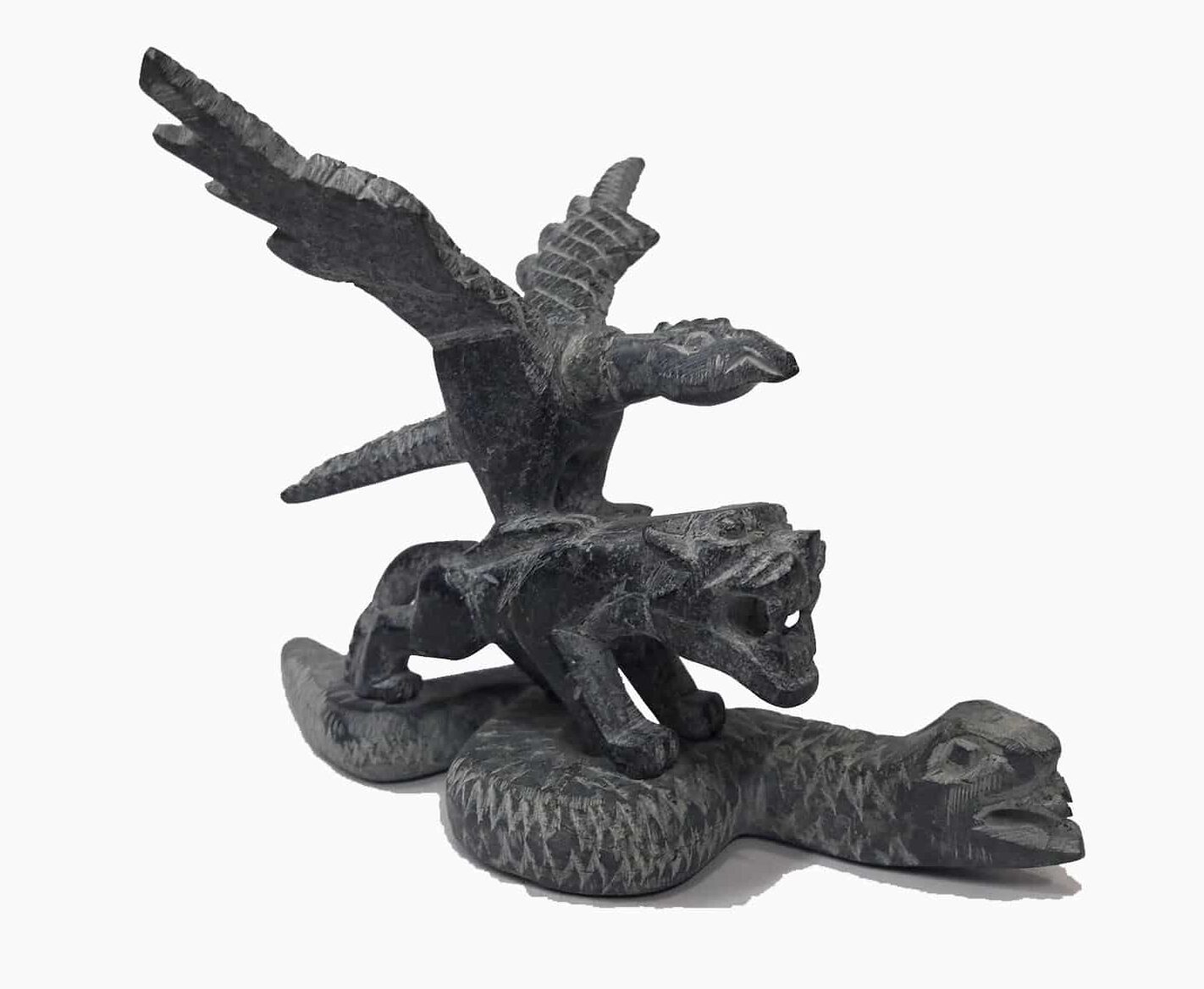
The Amaru Symbolism
The symbolism of the Amaru is deeply linked to the forces of nature and ancestral knowledge. It is considered an entity that dwells in the depths of the earth and in the waterways, places where life originates and is constantly renewed. Therefore, it represents the energy that runs through the natural world, invisible but essential. As with the figure of the snake in many cultures, the Amaru is also a symbol of transformation, of continuous change and the cycles of life. It is the image of the passage of time and the ability to renew itself without losing its essence.
This link with the land makes the Amaru a guardian of ancient wisdom. It is not only strength, but knowledge transmitted from generation to generation, a memory that remains alive and adapts without disappearing. This idea of continuity, of respect for what has been and of dialogue with the present, is one of the keys to its meaning.
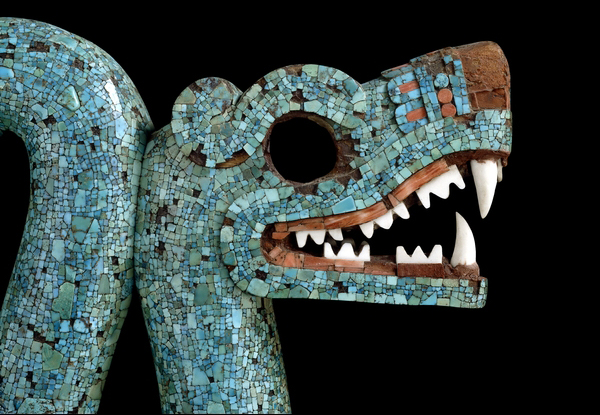
In choosing the name AMARU ANTIQUES, we wanted to capture all this symbolism. Each piece that is part of the store is the bearer of a history, a use and a time lived. They are objects that have gone through changes, that have witnessed different times and yet retain their beauty and character. In the same way that the Amaru represents the connection between past and present, our antiques create a bridge between what was and what continues to be.
The Amaru is, in short, a symbol of strength, transformation and memory. It reminds us that objects, like stories, deserve to be valued, cared for and preserved. Because in every antique there is not only matter, but also time, experience and an essence that is still alive.
