
In antique furniture, nothing is casual. Every curve, every proportion and every detail responds to a specific way of understanding the world, aesthetics and status. The legs, although they often go unnoticed, are one of the most revealing elements of a piece. They not only support the piece of furniture, but also anchor it to an era, a style and a symbolic language that speaks of the taste and aspirations of those who created and used it.
The turned legs, in particular, are the result of careful craftsmanship and a clear intention: to elevate the furniture, to give it elegance and, in many cases, to convey movement and lightness. The lathe allowed the craftsman to play with volumes, rhythms and symmetries, creating forms that went far beyond the purely functional.
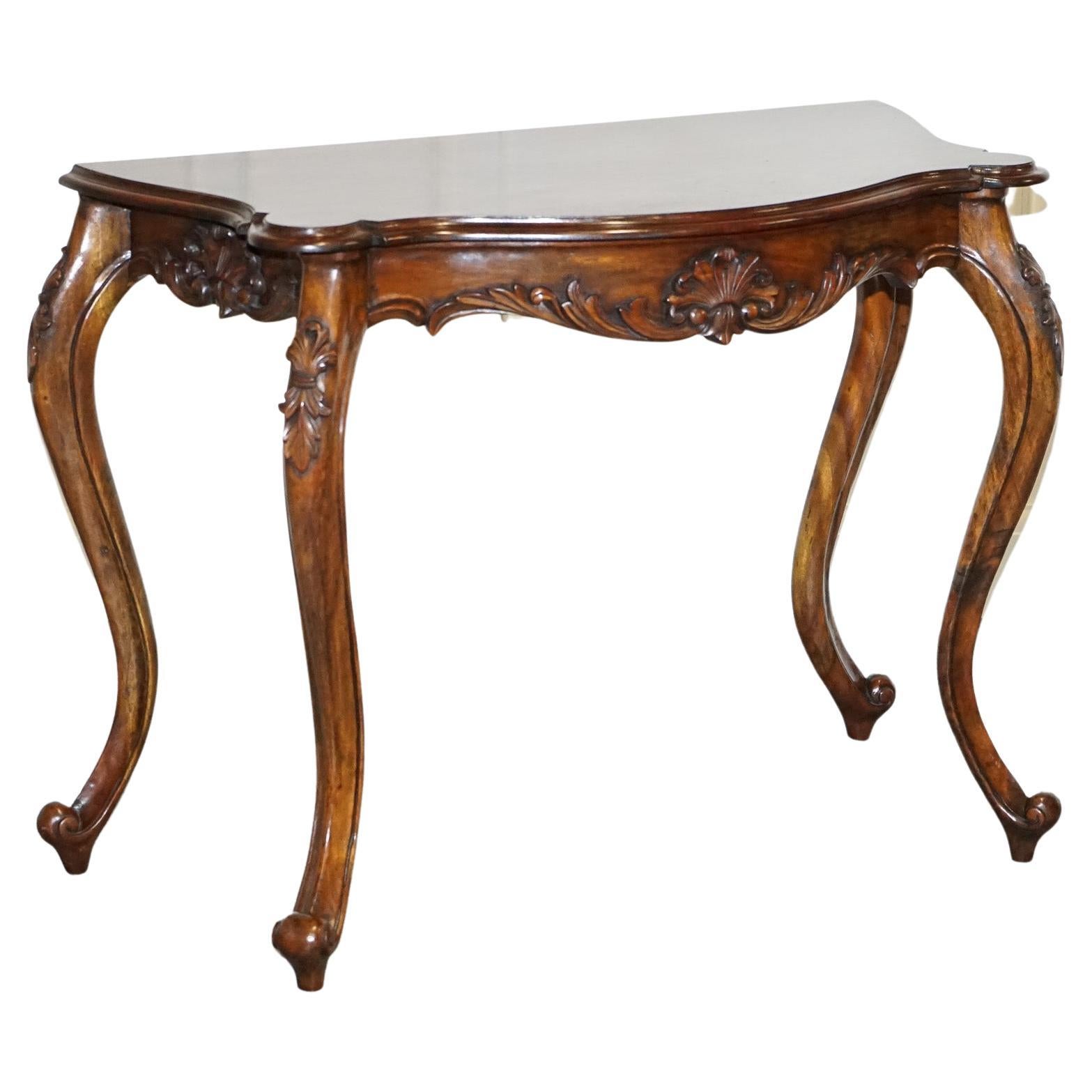
A clear example of this expressiveness is the cabriole leg. Its characteristic “S” curve conveys dynamism and grace, as if the piece of furniture were in a natural, almost organic posture. This type of leg became a central element in styles such as Queen Anne and Rococo, where elegance and fluidity were fundamental values. Inspired by animal anatomy, the cabriole leg softens the structure of the furniture and gives it a sense of visual lightness, a reflection of an era that sought refinement and aesthetic pleasure.
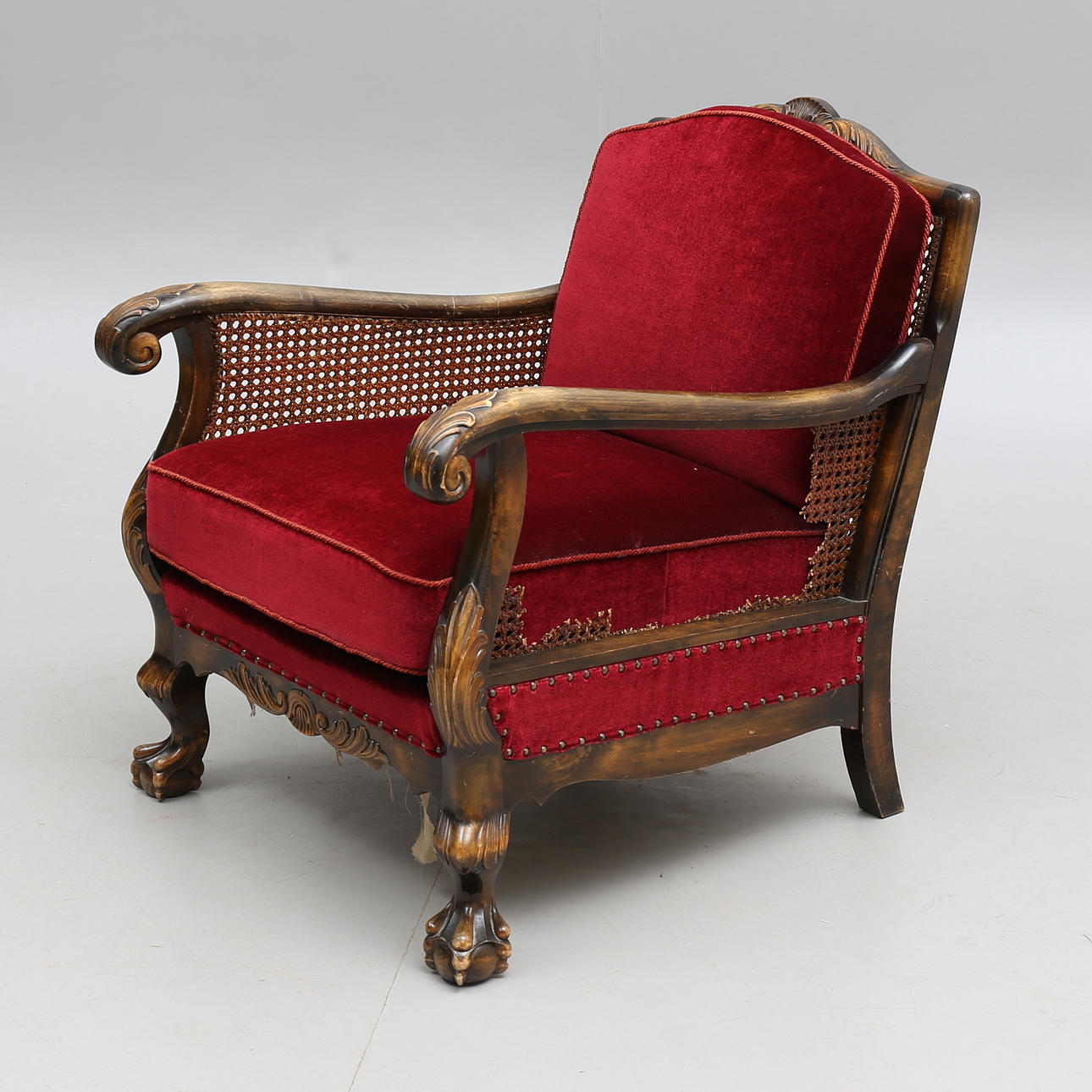
Even more explicit in its symbolism is the claw foot. Carved as the limb of an animal holding a sphere or resting firmly on the ground, this paw evokes power, dominance and stability. It was especially popular in the Queen Anne and Chippendale styles of the 18th century, where reference to the natural world and animal strength was used as a metaphor for prestige and authority. Whether carved in wood or later reinterpreted in metal, the claw foot makes the furniture a piece with presence and character.
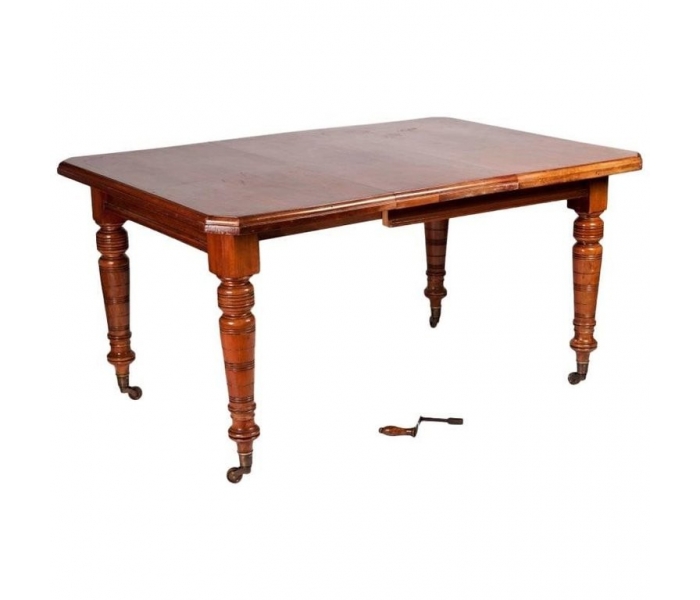
With the advent of the Victorian period, legs adopted a different language. Victorian legs, often straight or slightly bulging, feature fluted decorations and more restrained or, in some cases, profuse turning. These forms refer directly to classical architecture, recalling the columns of Greek and Roman temples. In an era marked by admiration for classical antiquity and a strong symbolic charge, these legs convey solidity, order and a certain solemnity.
There are also other types of legs that, although more discreet, also speak of their time. Onion or bullet legs, typical of the Empire style, with their cylindrical and stable shape, reflect a more austere and monumental aesthetic. Sword legs, slender and inclined outward, bring lightness and stability to chairs and armchairs, and are common in many antique furniture for everyday use. Dolphin legs, sculpted with stylized forms, connect with the Renaissance tradition and with a symbolic imaginary linked to the sea, protection and prosperity, very present in styles such as Empire, Regency or Biedermeier.
Recognizing these types of legs is one of the most valuable tools for identifying and dating antique furniture. But beyond their practical utility, legs speak to us of ideas, cultural influences and a way of understanding design as a language loaded with meaning.
The next time you find yourself in front of an antique piece of furniture, stop for a moment and look down. At its feet hides a large part of its history. Because, in the furniture of other eras, even that which seems secondary has something to tell.