
In the world of antiques, ceramics occupy a special place. Its beauty and durability allow us to enjoy pieces with centuries of history. To appreciate them better, it is useful to know the basic materials and processes that originated them.
The Three Great Types of Ceramics
Depending on the materials and the manufacturing process, we can distinguish three main types:
- Porous Ceramics (Low Temperature):
- Terracotta: It is the oldest and simplest form. Its reddish or orange color is due to the high content of iron oxide in the clay. Without a glaze, it absorbs water easily. It is common in pots, pitchers and traditional pottery pieces.
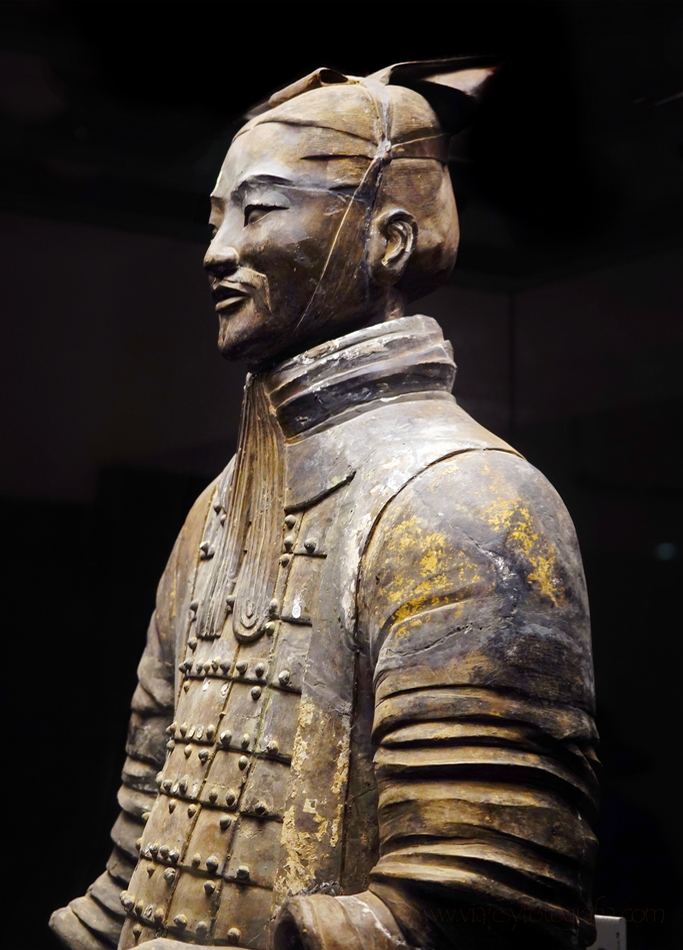
- Earthenware: It is made with lighter clays and coated with an opaque glaze (usually white or cream colored) that waterproofs it. It is the classic type of ceramic in tableware and vases for daily use.

- Stoneware (Impermeable Ceramic):
- Stoneware is much more resistant and dense than terracotta or earthenware. It is fired at high temperatures, which vitrifies it and makes it waterproof even without glaze. Its natural color is usually grayish or beige, and it is known for its great durability.
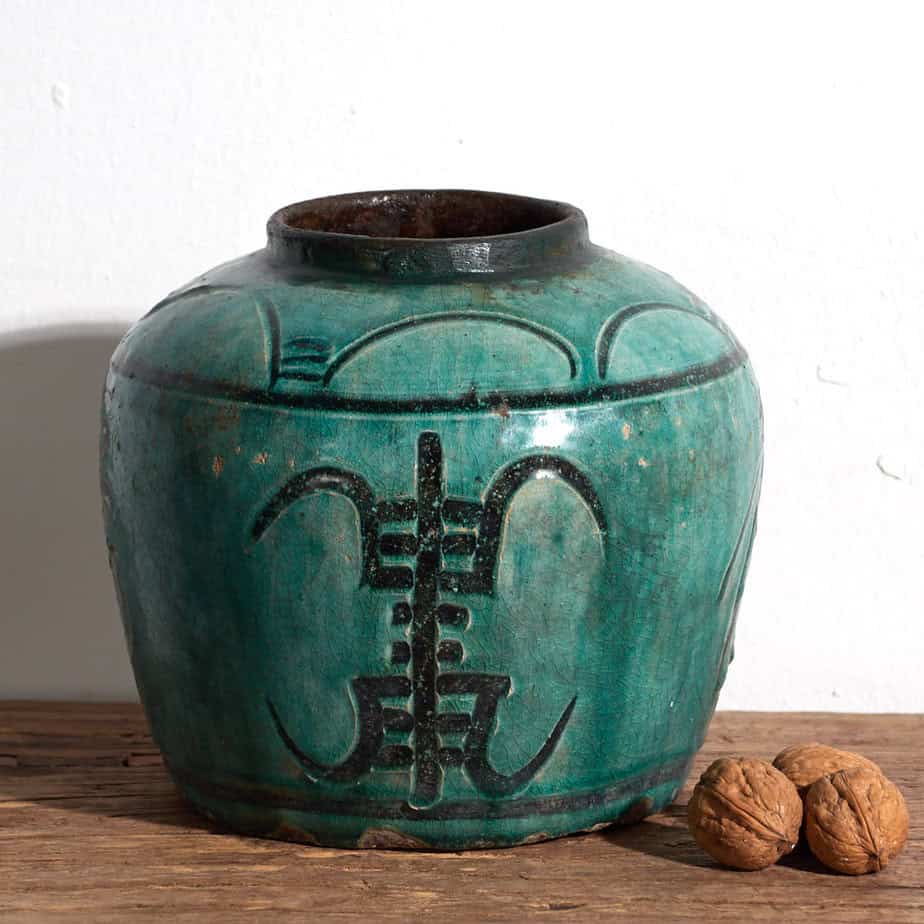
- Porcelain (High Temperature Ceramics):
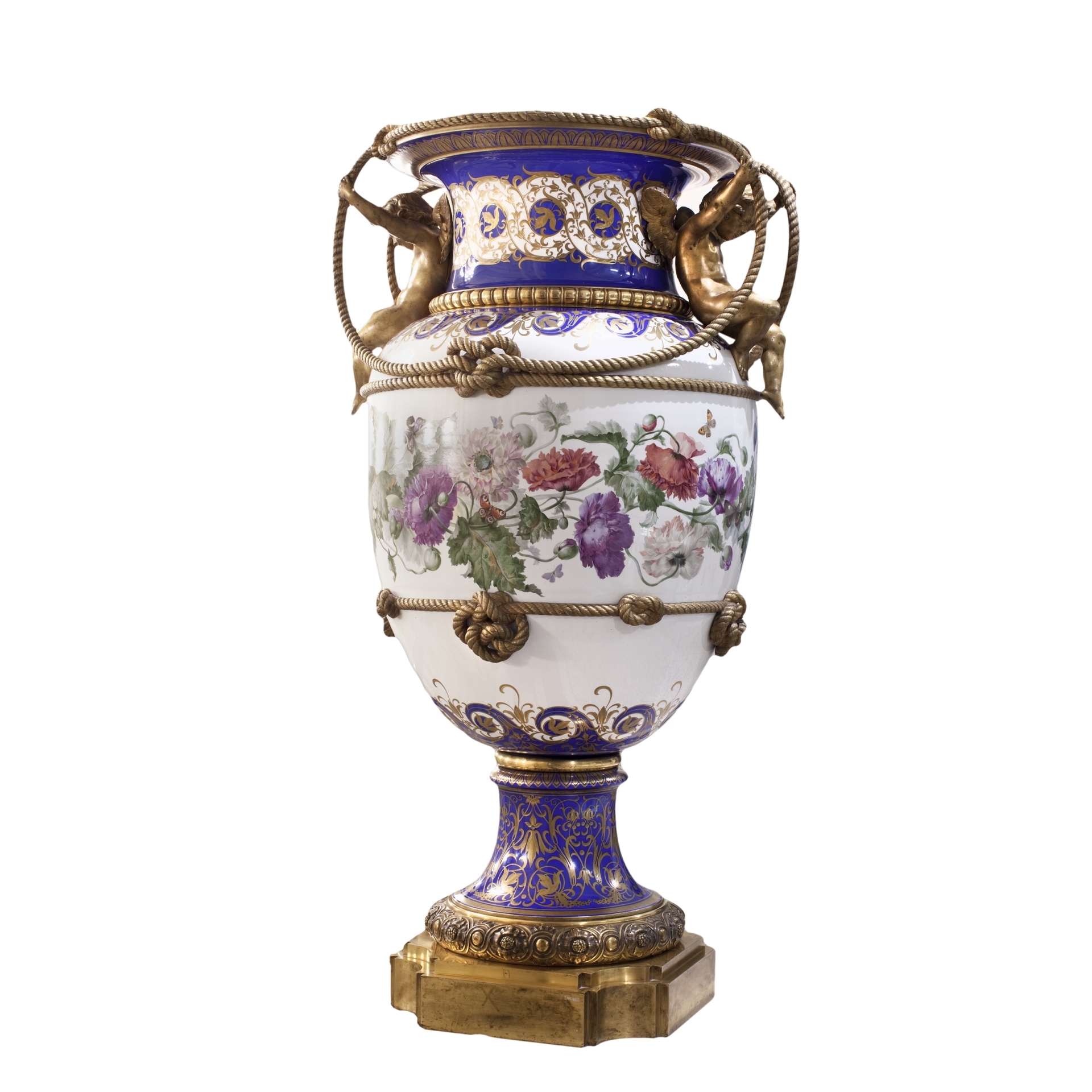
- Porcelain is the most refined porcelain. It is made from kaolin (a very pure clay) and fired at the highest temperatures. The result is a white, hard, thin and translucent piece (if it is thin, it allows light to pass through). It is completely waterproof and very appreciated for its elegance.
The Cooking Process
Firing in the kiln is the step that transforms the soft clay into a solid and durable piece.
- Low Temperature Firing (up to 1,100 °C): This is used for terracotta and earthenware. At this temperature, the clay hardens but remains porous. To make it impermeable, a glaze must be applied and a second firing must be carried out.
- High Temperature Firing (between 1,200 °C and 1,400 °C): This is the temperature of stoneware and porcelain. The extreme heat vitrifies the body, creating a dense, very resistant and impermeable material. In the case of stoneware, a salt firing technique is sometimes used to create a characteristic natural glaze.
Knowing these basic differences will allow you to better appreciate the ceramics you see in our store. You will be able to distinguish the rusticity of a terracotta, the robustness of stoneware or the delicacy of porcelain. Each type of ceramic has its own history and value.