
Auxiliary furniture
Showing 37–48 of 58 results
-
Antique chest of drawers with green patina (c.1920) #59
845,00 € Includes VAT (if applicable) Add to cart -
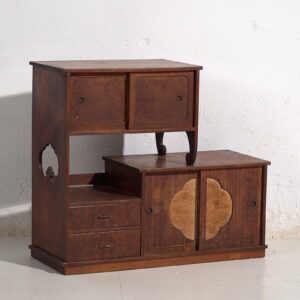
Antique Japanese cedarwood choba-dansu, Meiji/Taishō period (c. 1890-1920) #45
1.780,00 € Includes VAT (if applicable) Add to cart -
Vintage industrial style cabinet with blue patina (c.1950) #3
690,00 € Includes VAT (if applicable) Add to cart -
Vintage metal workshop cabinet (c.1950) #2
690,00 € Includes VAT (if applicable) Add to cart -
Industrial style cabinet with blue patina (c.1950) #4
690,00 € Includes VAT (if applicable) Add to cart -
Small antique chest of drawers (c.1920) #56
1.125,00 € Includes VAT (if applicable) Add to cart -
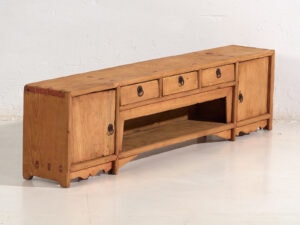
Small antique TV cabinet (c.1900) #35
735,00 € Includes VAT (if applicable) Add to cart -
Antique yellow TV cabinet (c.1900) #18
965,00 € Includes VAT (if applicable) Add to cart -
Compact Japanese tabletop tansu – Meiji Period (c.1890-1910) #38
726,00 € Includes VAT (if applicable) Add to cart -
Antique Grain Mortar (c.1920) #2
595,00 € Includes VAT (if applicable) Add to cart -
Antique Japanese cedar mizuya ko-dansu furniture, Meiji-Taishō period (c. 1890-1925) #39
850,00 € Includes VAT (if applicable) Add to cart -
Antique wabi sabi style base cabinet (c.1900) #35
785,00 € Includes VAT (if applicable) Add to cart





The collection of antique auxiliary furniture brings together singular pieces originally conceived to accompany everyday life, beyond traditional typologies. These are small- and medium-scale furniture items, created for specific functions and now appreciated for their character, versatility and strong aesthetic presence.
This selection includes antique Japanese furniture such as small cabinets, domestic drawer units, chests and trunks, alongside other European auxiliary pieces that do not fit into conventional categories like sideboards, dressers or wardrobes. Designed for storage, organisation or occasional domestic use, these pieces were crafted using noble woods and traditional techniques characteristic of their time.
Each piece bears the marks of time: natural patinas, honest wear and proportions that speak of a slower, more functional way of living. Their contained scale makes them particularly suitable for contemporary interiors, where they add depth, texture and authenticity.
Antique auxiliary furniture that does not seek to dominate a space, but to accompany it, offering practical solutions and a timeless aesthetic value, where each object is unique and every imperfection forms part of its history.