
In the world of design and antiques, there are styles that are almost instantly recognizable, even without knowing how to name them. Art Deco is one of them. It has a clear, confident and elegant presence, capable of transforming a space with just one piece. Its geometric lines, sophisticated materials and timeless air have made it one of the most admired movements of the 20th century.
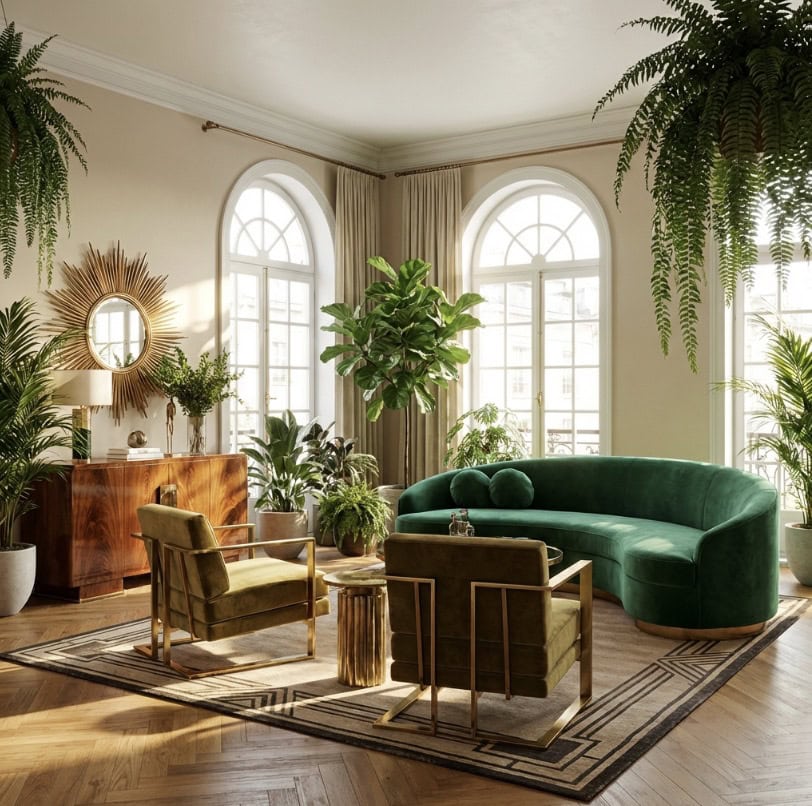
Art Deco was born in France during the 1920s, at a time of profound social and cultural changes. It was a direct response to the exuberant ornamentation of Art Nouveau, opting for a more modern, orderly and functional language.
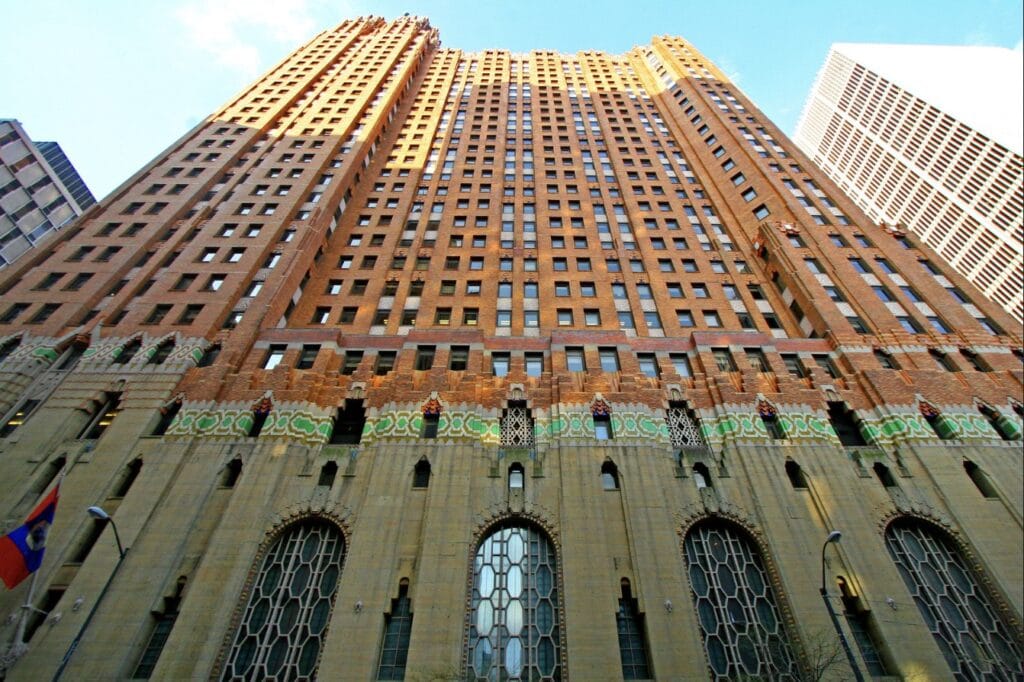
Without renouncing luxury, this style sought to reflect the spirit of progress of the time, marked by industrialization, vertical architecture and the emerging glamour of cinema and big cities. It is no coincidence that some of New York’s most emblematic buildings, such as the Chrysler Building, have become true Art Deco icons.
In furniture and decorative objects, this style is expressed through clear and well-defined shapes. Straight lines coexist with elegant curves, volumes are balanced and symmetry plays a fundamental role. Everything is designed to convey order, sophistication and a sense of modernity that, even today, is still surprisingly current.
Materials are another key element of Art Deco. Noble and dark woods, such as ebony or rosewood, combined with polished metals such as chrome or brass, were valued. Contrasts were essential: black lacquered surfaces next to golden details, smoked glass dialoguing with shiny steel. Each piece sought to convey luxury, but in a restrained and elegant way, without decorative excesses.
Although Art Deco looked to the future, it also found inspiration in ancient and distant cultures. The discovery of Tutankhamun’s tomb in 1922 aroused great interest in ancient Egypt, whose forms and symbols were reinterpreted in a stylized manner. Influences from African and Oriental art are also perceived, as well as references to nature, represented in an abstract and geometric way through flowers, fountains or stylized animals such as gazelles or birds.
The use of color is another of its most characteristic features. The Art Deco interiors and objects opt for intense and sophisticated tones: deep blacks, emerald greens, intense reds, vibrant blues and gold or silver finishes. Polished, lacquered or mirrored surfaces help reflect light and create an atmosphere of elegance and discreet opulence.
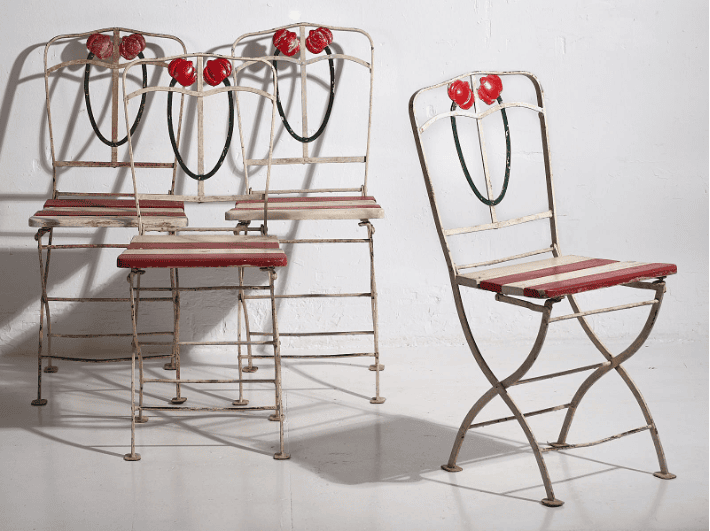
Recognizing an Art Deco piece requires careful observation. The structure is usually geometric and well-defined, the materials convey quality and solidity, and the decoration, although present, is never overdone. The original pieces usually date from the 1920s to the 1940s, and retain that particular balance between luxury and sobriety that defines the style.
Art Deco represents an era that celebrated progress, aesthetics and confidence in the future. Incorporating a piece of this style in a current space is not only a decorative choice, but a way to keep alive the essence of a historical moment in which design knew how to unite art, modernity and elegance with an unmistakable personality.