
There is something special about antique furniture. They have survived the passage of time, changes of home and use, and retain a beauty that only the years can give. However, there are silent threats that can compromise their integrity if not detected in time. Woodworm, termites and moths are three of the most common, and knowing them is the first step to protect furniture properly.
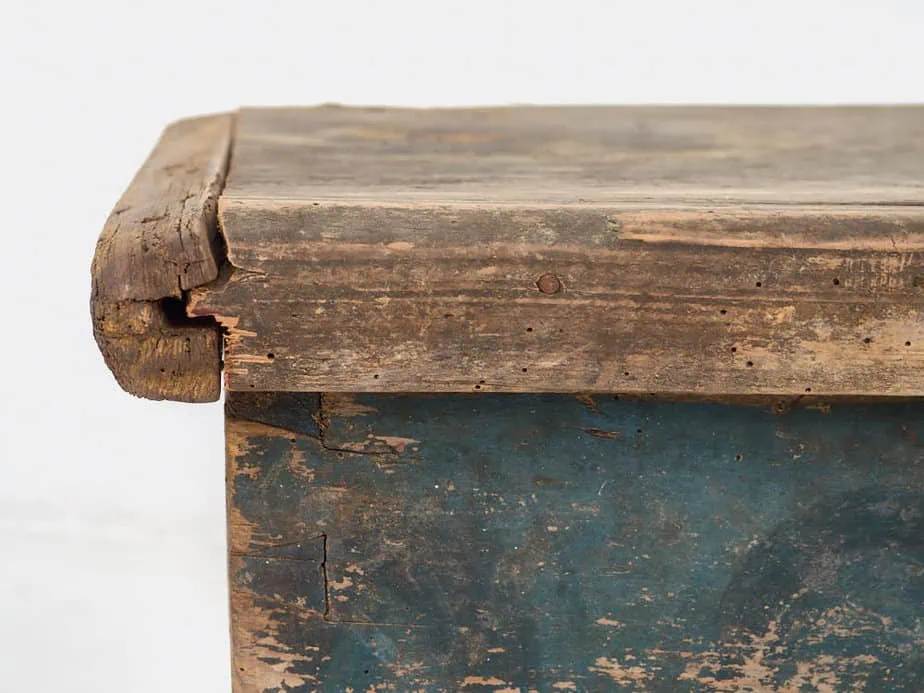
Woodworm is probably the best known. In reality, it is not an insect per se, but the larvae of certain beetles that feed on wood. These larvae live inside the furniture for years, digging small galleries as they grow. Their presence usually goes unnoticed until the adult insects emerge, leaving small round holes in the surface of the wood as a sign. Alongside these holes is a fine sawdust, known as kera, which indicates recent activity. Although visually it may appear to be minor damage, a prolonged infestation can seriously weaken the structure of the piece.
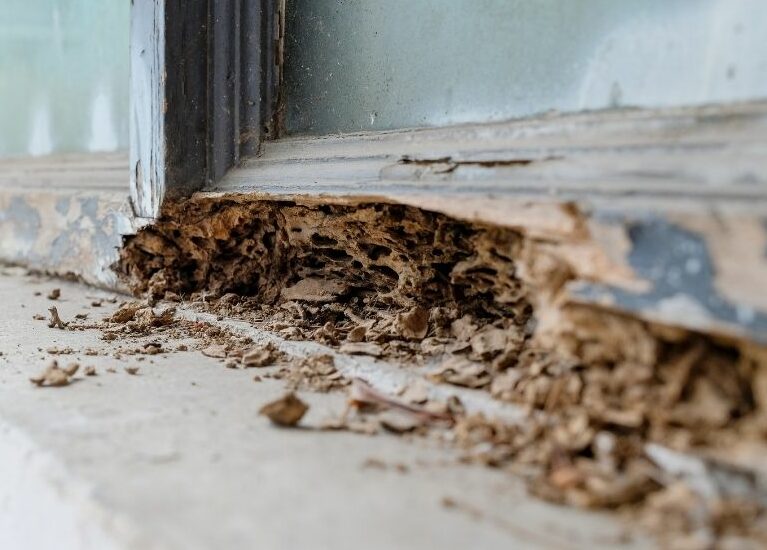
Termites pose a more serious threat. They are social insects that live in highly organized colonies and feed on cellulose, the main component of wood. Unlike woodworm, termites work silently and hidden, consuming wood from the inside without leaving obvious signs on the surface. By the time the damage becomes visible, it is usually well advanced. In some cases, you may see small mud tunnels in the wood, which the termites build to protect themselves from light, or notice that the furniture sounds hollow when tapped. Occasionally, it is also possible to see worker termites, whitish in color and similar in appearance to ants.
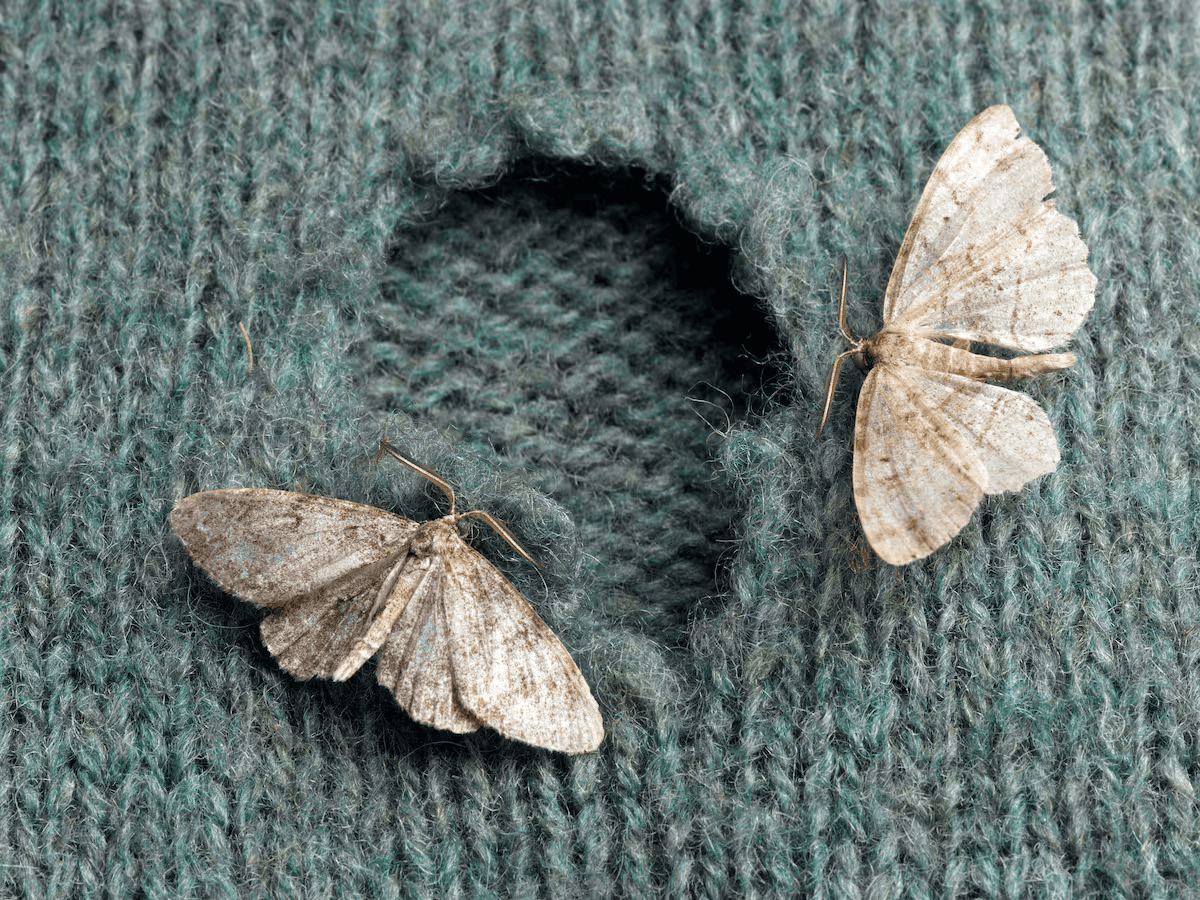
Moths, although they do not directly affect wood, can also cause significant damage to antique furniture, especially those with upholstery, textiles or lined interiors. The moths responsible are not the adult moths, but their larvae, which feed on natural fibers such as wool, linen or cotton. Their presence is detected by small irregular holes in the fabrics, loose threads or even small cocoons hidden in corners, drawers or inconspicuous areas of the furniture.
Acting against these pests requires an appropriate approach in each case. In light woodworm infestations, it is possible to apply specific treatments directly to the holes, using insecticide products designed for this purpose. However, when the infestation is extensive or a valuable piece is involved, it is best to turn to specialized professionals, who can apply more in-depth and controlled treatments, such as pressure injections or specific fumigations.
In the case of termites, professional intervention is essential. Due to the size and complexity of the colonies, home treatments are rarely effective. Specialized companies use bait systems, chemical barriers and other methods designed to eliminate the entire colony and prevent the problem from reappearing.
For moths, a thorough cleaning is essential. Carefully vacuuming the furniture, paying attention to cracks and corners, and washing the affected fabrics with hot water helps to eliminate larvae and eggs. As a preventive measure, it is advisable to store textiles in airtight bags and use natural repellents such as cedarwood, lavender or camphor, especially in drawers and closets.
The key to preserving antique furniture is observation and early action. Checking them periodically, paying attention to small changes and acting quickly at any sign can make all the difference. With proper care and, when necessary, the help of professionals, these pieces of history can continue to accompany us for many years to come.